If you’re dreaming about a place where local events still matter, downtown is easy to enjoy, and you can find anything from an in-town home to a larger parcel on the edge of town, Ball Ground deserves a closer look. For many buyers, the appeal is simple: you want more space, a slower pace, and a community that still feels connected. This guide will walk you through what small-town living in Ball Ground actually looks like, what home and land buyers should know, and how to think about your options before you make a move. Let’s dive in.
Why Ball Ground Stands Out
Ball Ground is a small city in Cherokee County on the northern edge of metro Atlanta, set in the foothills of the Appalachian Mountains. The city highlights its historic main street, local shops and restaurants, historic homes, and recreation opportunities on its official website.
Population figures vary by source, but they point to the same big picture: Ball Ground remains a small community. The city references about 3,500 residents, while its 2023 comprehensive plan cites 2,560 residents in the 2020 Census, and the Atlanta Regional Commission estimated 2,856 residents in 2020 to 2024. For you as a buyer, that small-town scale is a real part of the lifestyle.
What Daily Life Feels Like
Small-town living in Ball Ground often means a more relaxed rhythm, but it does not mean you should expect urban-style transportation options. According to the city’s comprehensive plan, I-575 flanks Ball Ground, SR 5 and SR 372 are the main regional roads, and there are no fixed transit services within the city.
Most residents rely on personal vehicles for daily errands, work, and recreation. Cherokee Area Transportation System provides on-demand service within Cherokee County, but Ball Ground is still best suited to buyers who are comfortable with a car-oriented lifestyle.
Downtown Ball Ground Living
One of Ball Ground’s strongest draws is its downtown character. The city’s master plan notes that downtown is larger than the Gilmer Ferry Road core many people picture, and future planning is focused on better road and sidewalk connections, trails, green streets, utility upgrades, and façade restoration.
That matters because downtown is not just a postcard setting. It is an active part of everyday life, with local businesses and gathering places that help create a sense of community and give the area a distinct identity.
Local dining and gathering spots
Ball Ground’s downtown directory includes places like Barrel House Coffee, RockSolid Brewing Company, Ball Ground Tavern, Sunrise on Main, Ball Ground Burger Bus, Lora Mae’s, Scooped on Main, and Wilkes Meat Market. For buyers who value local flavor and easy weekend outings, that mix adds a lot to the appeal.
The city also established a downtown open-container district in 2025 for licensed establishments. Combined with local dining and retail, that supports a more social, event-friendly downtown environment.
Events that shape community life
Community programming is a big part of the Ball Ground experience. The official downtown site lists recurring events and activities such as Music Bingo, Thirsty Thursdays, karaoke, and bingo, along with a farmers market that runs Saturdays from June through September.
City Park also hosts concerts and movies in the park. If you are looking for a place where community events are part of the rhythm of the year, Ball Ground offers that in a very visible way.
What residents value most
A 2026 city briefing on downtown survey results found that residents and visitors most value Ball Ground’s small-town character, festivals and events, local shops, walkability, and restaurants. The most common frustrations were traffic and truck activity, parking, and limited sit-down dining.
That is a helpful reality check for buyers. The charm is real, but like many growing small towns, Ball Ground is balancing character with growth and infrastructure needs.
Outdoor Space and Recreation
If you want regular access to parks and greenspace, Ball Ground has a solid local network. The city’s parks and recreation department highlights the Botanical Gardens, Calvin Farmer Park, Ball Ground City Park, Roberts Lake Trail and Park, Valley District Linear Park, Lions Field, the Sports Complex, and the City Gym.
Calvin Farmer Park includes a playground, duck pond, picnic pavilions, open fields, wooded areas, and a stage. Ball Ground City Park sits by the downtown railway and serves as a venue for concerts and movies, while Roberts Lake Trail leads to a 45-acre green space along Long Swamp Creek and allows fishing with a Georgia Fishing License.
Nearby recreation for land-minded buyers
For buyers who want even more room to roam, the Long Swamp Creek Recreation Area is about two miles south of Ball Ground. It offers a canoe and kayak launch, primitive camping, fishing, a walking loop, wildlife viewing, and archery near the Etowah River and McGraw-Ford Wildlife Management Area.
That nearby access can be especially appealing if you are searching for acreage, a homesite with a rural feel, or a property that supports a more outdoor-focused lifestyle.
What Homes in Ball Ground Look Like
Ball Ground’s housing stock is still dominated by detached single-family homes. According to the city’s comprehensive plan, housing demand has been strong, with building permits rising from 29 in 2018 to 114 in 2022.
The same plan describes a market that includes mostly detached homes, along with some townhomes and one 80-unit apartment complex. Atlanta Regional Commission profile data cited in the plan shows that 88.1% of housing units are 1-unit detached and 85.2% are owner-occupied.
Historic homes and newer construction
One of the interesting things about Ball Ground is that the housing stock spans multiple eras. Based on ARC’s year-built breakdown cited in the city plan, about seven in ten housing units were built in 2000 or later, while 11.4% were built in 1939 or earlier.
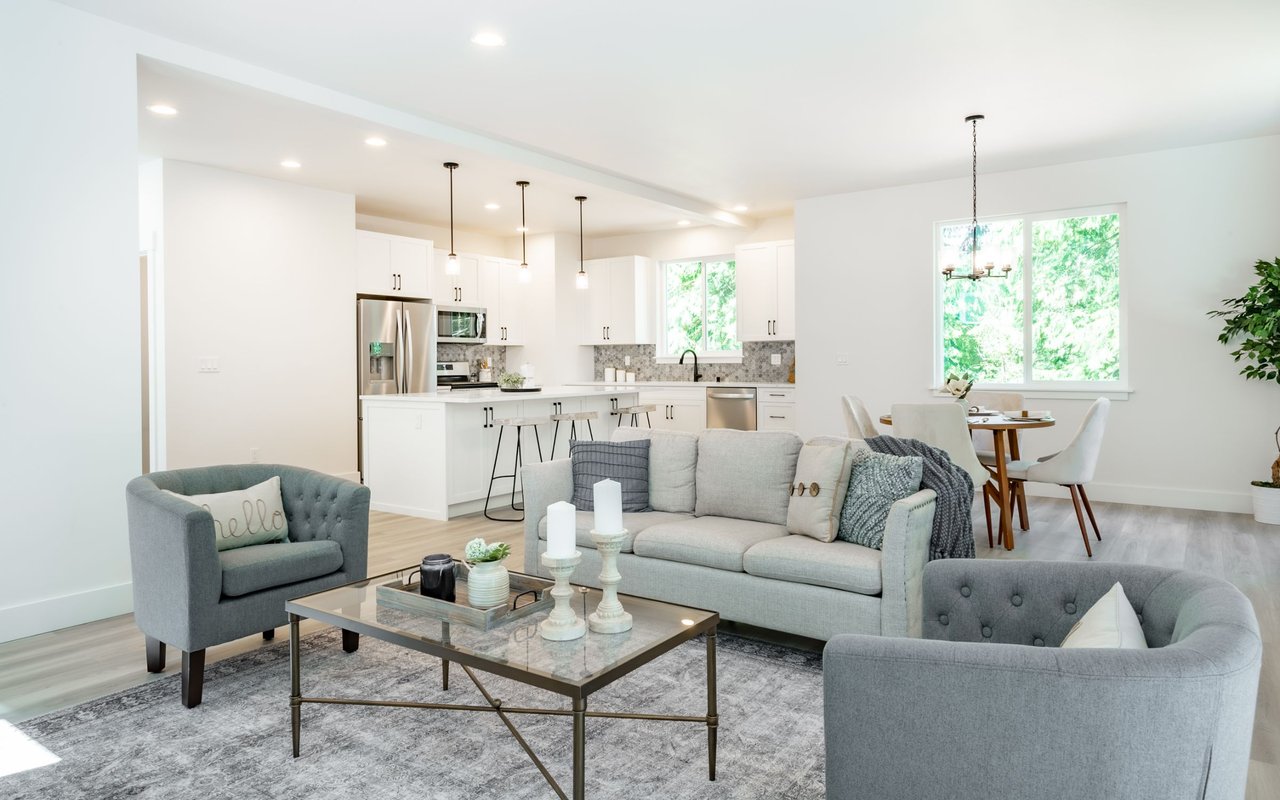
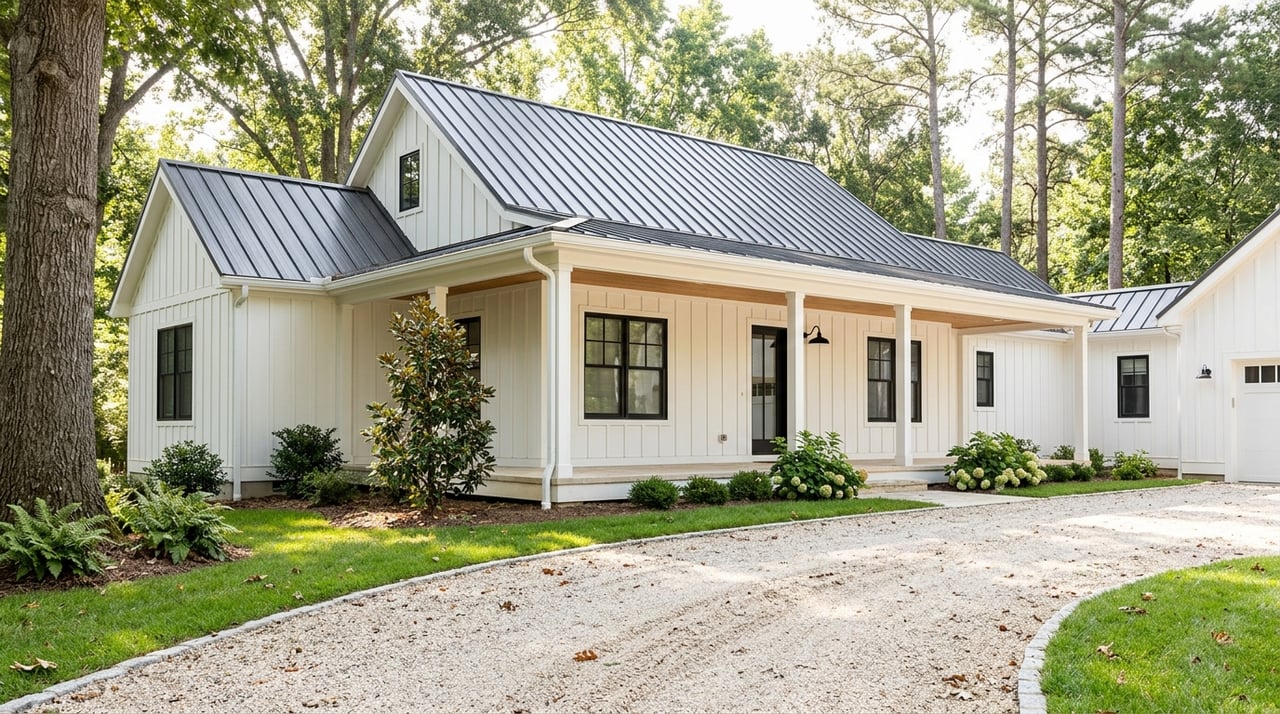
For you, that means Ball Ground can offer more than one style of small-town living. You may find older homes closer to the historic core, newer construction in developing areas, and a range of lot sizes depending on where you focus your search.
What Land Buyers Should Know
Ball Ground is especially worth watching if you are considering land or larger-lot property. The city’s long-range planning distinguishes several residential patterns, including suburban growth areas with detached homes on varying lot sizes, rural places with large-lot estate-style homes, farming, timbering, and homesteads, and neighborhood-living areas that can include townhouses, duplexes, and small-lot homes.
In practical terms, that points to a mix of in-town homes, newer subdivisions, and edge-of-city opportunities where more land may be available. The city plan also notes that rural county areas with available sewer, especially around city edges, are key growth-pressure areas.
Where acreage opportunities may appear
If your goal is to buy land, the most likely opportunities may sit outside the historic downtown core. Based on the city’s planning framework, the overlap between rural character and future infrastructure improvements is especially relevant around the edges of the city.
The comprehensive plan also references a planned truck bypass intended to reduce incompatible traffic through downtown. For land buyers, infrastructure changes like that can shape how different areas feel over time and may affect where future development interest concentrates.
Is Ball Ground the Right Fit for You?
Ball Ground can be a strong fit if you want a community with a small-town identity, active local events, access to parks, and housing choices that range from established homes to newer builds and larger parcels. It may also appeal to buyers who like the idea of being in Cherokee County while still enjoying a more local, main-street-centered setting.
At the same time, it helps to go in with clear expectations. Ball Ground is car-oriented, growth is ongoing, and some of the same qualities that make it popular also create pressure points like traffic, parking, and competition for desirable properties.
How to Buy Smart in Ball Ground
Whether you are searching for a home in town or land on the edge of Ball Ground, a focused plan can help you move with more confidence.
Start with your lifestyle priorities
Think about how you want to live day to day. Do you want to be closer to downtown shops, restaurants, and events, or do you want more privacy and land outside the core?
Look beyond the house itself
In Ball Ground, location can shape your experience as much as the property. Proximity to parks, downtown activity, road access, and surrounding growth patterns can all affect long-term fit.
Understand the property type
A historic home, a newer subdivision home, and an acreage parcel all come with different considerations. The right choice depends on your goals, your timeline, and how much flexibility you want for the future.
Work with local guidance
In a market like Ball Ground, local context matters. Having experienced guidance can help you compare in-town neighborhoods, evaluate land opportunities, and understand how planning trends may affect your search.
If you are considering a move to Ball Ground or looking for land in Cherokee County, Hollingsworth Company can help you navigate the market with clear advice, local insight, and a tailored strategy for your next move.
FAQs
What is small-town living like in Ball Ground, GA?
- Small-town living in Ball Ground centers on a historic downtown, local events, community gathering spots, and a quieter scale than larger metro areas, while still being part of Cherokee County.
What types of homes can you buy in Ball Ground?
- Ball Ground includes mostly detached single-family homes, along with some townhomes, historic homes, newer construction, and properties on a range of lot sizes.
Is Ball Ground a good place to buy land?
- Ball Ground can be a strong option for land buyers because the city’s planning documents point to rural-edge areas, large-lot patterns, and growth pressure near city boundaries where acreage-style opportunities may be found.
Is downtown Ball Ground walkable?
- Downtown Ball Ground is valued for its walkability, according to the city’s downtown survey results, and city planning efforts are focused on improving sidewalk and trail connections.
Are there parks and outdoor activities in Ball Ground?
- Yes, Ball Ground has multiple local parks and trails, including Calvin Farmer Park, Roberts Lake Trail and Park, Ball Ground City Park, and Valley District Linear Park, plus nearby access to Long Swamp Creek Recreation Area.
Do you need a car to live in Ball Ground?
- In most cases, yes. Ball Ground is car-oriented, with no fixed transit services in the city, so most residents rely on personal vehicles for daily transportation.