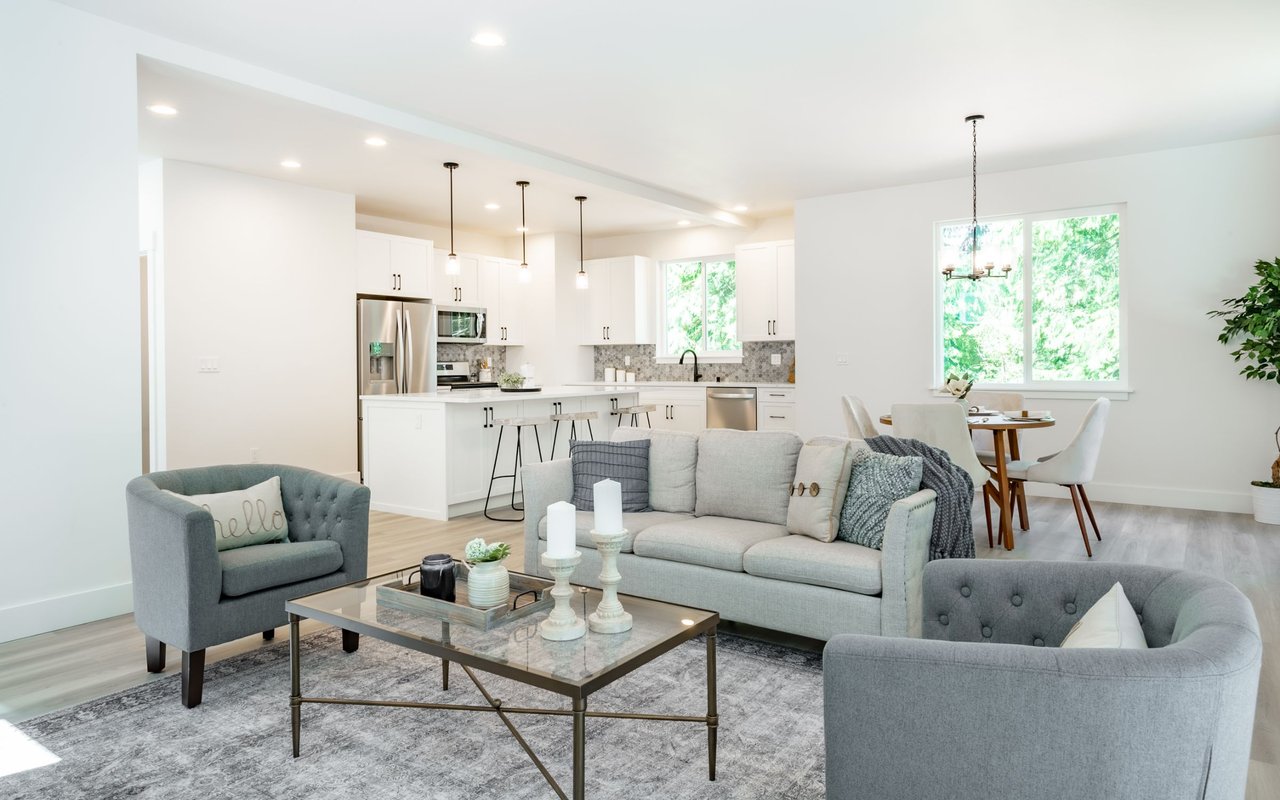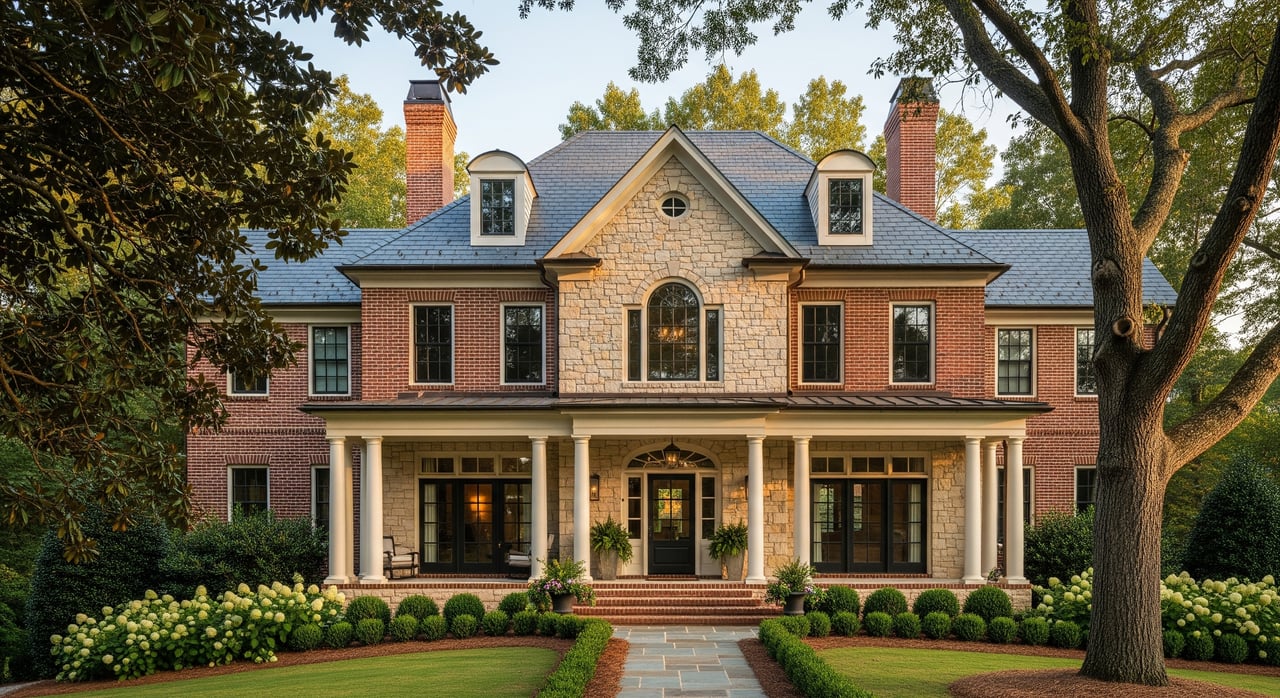
Craving more space, better function, and a home that fits this next season of life? If you live in or near Holly Springs, you are in a sweet spot for move‑up options, from newer two‑story homes to acreage properties on the edge of town. You want a smart plan that balances layout, location, and budget without derailing your timeline. In this guide, you’ll learn which home styles work best for move‑up buyers here, what features to prioritize, and how to navigate new construction, resale, and renovation tradeoffs. Let’s dive in.
Why Holly Springs appeals to move‑up buyers
Holly Springs sits in Cherokee County on the northwest side of metro Atlanta. Many buyers choose it for larger homes and yards, while staying connected to regional jobs and amenities. Proximity to I‑575 and major routes makes commuting manageable for many households.
If schools are part of your decision, the Cherokee County School District is an important consideration. Always verify current school boundaries before you write an offer. Local parks, shopping, and ongoing town improvements also support long‑term value and convenience.
Popular home styles to consider
Two‑story suburban homes
You will find these throughout newer subdivisions. Expect open main levels with large kitchens, multiple bathrooms, and 2–3 car garages. These homes often include a loft, bonus room, or finished basement option.
Ranch and split‑level homes
Single‑level living appeals if you want fewer stairs or plan to age in place. Older ranches can sit on wider lots and may offer room to expand or finish a terrace level.
Craftsman and modern Craftsman
Common across North Metro Atlanta, these feature covered porches, gabled roofs, and mixed exterior materials. Interiors usually offer open kitchens and flexible spaces.
New transitional and farmhouse styles
New construction communities often lean modern transitional or farmhouse. You get current floorplans, energy‑efficient systems, and the ability to personalize finishes if you buy early in the build.
Acreage and estate properties
On the outskirts of Holly Springs, you can find homes on 0.5–2+ acre lots and beyond. These offer privacy and space for outbuildings, but often come with more maintenance and variable utility setups.
Floorplans and features that matter
- Bedrooms and baths: Aim for 3–5 bedrooms and 2.5–4+ baths. A separate primary bath with dual vanities and a walk‑in closet helps day‑to‑day function and resale.
- Primary suite placement: Main‑level suites support long‑term use and multigenerational needs. Two‑story plans commonly place the primary upstairs near secondary bedrooms.
- Kitchen and storage: An open plan with a large island, walk‑in pantry, and durable countertops makes daily life easier. Mudrooms and garage storage are a big plus for active households.
- Flex spaces: Dedicated office, loft or bonus room, and finished basements allow you to work, host, and grow without crowding.
- Outdoor living: Covered porches or patios, a usable backyard, and thoughtful orientation matter for comfort and future projects like a pool or play area.
- Efficiency and systems: Newer HVAC, insulation, windows, and smart home features reduce ongoing costs and maintenance.
Neighborhood types and lot tradeoffs
Suburban subdivisions
Lots often range from roughly 0.15–0.4 acre with HOA amenities like pools, trails, or playgrounds. HOAs can protect curb appeal and values, but expect design guidelines that limit exterior changes.
Estate and acreage neighborhoods
Lots from about 0.5–2+ acres provide privacy and room for outbuildings. You may see variable road and utility conditions and higher landscape maintenance.
Infill and resale pockets
Closer to town centers or main roads, these areas may feature mature trees, established streetscapes, and older homes with character.
New master‑planned communities
Larger, amenity‑rich neighborhoods offer multiple floorplans and models. Builders may provide design centers, but expect lot premiums for specific locations or views.
Key tradeoffs to weigh
- Lot size vs upkeep: Larger lots mean privacy and expansion options, but more lawn and landscape care.
- HOA benefits vs restrictions: Amenities and standards support consistency, while rules can limit fencing, colors, or outbuildings.
- Commute vs space: Moving farther out typically buys more house and land, with longer drive times to employment hubs.
- School zones: Some zones can command premiums. Verify current boundaries and planned changes.
New construction vs resale vs renovate
Buying new construction
- Pros: Modern layouts, builder warranties, energy‑efficient systems, and finish selections if you buy early. Lower immediate maintenance.
- Cons: Premium pricing, base‑level finishes that may need upgrading, lot premiums, longer timelines, and limited mature landscaping.
- What to plan: Clarify upgrade pricing, build timeline, and any closing cost or rate‑buydown incentives when available.
Buying resale
- Pros: Established landscaping, potential for finished basements, and quicker closing. You may negotiate price or repairs depending on market conditions.
- Cons: Older systems and floorplans might require updates or reconfiguration to meet your needs.
Renovating instead of moving
- Consider renovating your current home if lot size and layout allow additions or reworks. Kitchen and bath upgrades, new primary suites, or finished basements can solve space issues.
- Plan for costs, permits, and disruption. Larger projects often take months and may require you to live elsewhere temporarily.
Financing paths for move‑up buyers
- Sale contingency: Protects you if your current home does not sell, but can weaken your offer in competitive situations.
- Carrying two mortgages: Possible with strong qualification and lender approval. Some buyers use short‑term or bridge financing to cover the gap.
- HELOC or home equity loan: Taps equity from your current home for the down payment or renovation funds.
- Jumbo loans: May be needed if your purchase exceeds conforming limits. Review current products and rates with a local lender.
- Preapproval: Update your preapproval with projected sale proceeds and new monthly costs. Include taxes, insurance, HOA dues, utilities, and maintenance for larger homes.
Timing, offers, and negotiation tips
- Align closings: If you sell first, coordinate timelines to avoid temporary housing. A rent‑back agreement can create a smoother handoff.
- New build contracts: Include protections for completion timelines and what happens if delays occur.
- Incentives and upgrades: In some markets, you can negotiate closing costs, rate buydowns, or design credits with builders.
- Flexible terms: On resales, clean offers and realistic timelines can be as compelling as price.
Inspections and upgrade priorities
- Major systems: Verify age and condition of the roof, HVAC and ductwork, electrical panel capacity, and water heater. Ask about warranties if systems are newer.
- Plumbing and structure: Look for polybutylene or galvanized plumbing, foundation settlement, and moisture or drainage issues.
- Additions and basements: Confirm permits and quality of any finished spaces.
- Site and utilities: Check grading and drainage, tree conditions, septic vs sewer connections, and any easements or floodplain status. For acreage, evaluate well water and irrigation systems.
- Renovation scope: Get multiple bids, firm timelines, and a contingency budget of 10–20 percent. Factor in Cherokee County permit timelines and any HOA architectural approvals.
Resale value drivers in Holly Springs
- Location basics: Access to commuter routes and proximity to everyday amenities help future demand.
- Interior updates: Refreshed kitchens and baths, efficient systems, and flexible spaces like a home office support broad appeal.
- Outdoor living: Usable, low‑maintenance yards and inviting porches or patios add value.
- Curb appeal: Tidy landscaping, cared‑for exteriors, and clean driveways make a strong first impression.
For sellers trading up, price relative to comparable upgraded homes in Holly Springs. Light refreshes like paint, decluttering, and landscaping often improve showings. Time your photography and launch to fit your purchase plan so you do not list too early.
Quick move‑up buyer checklist
- Clarify priorities: Bedrooms and baths needed, main‑level primary or not, and must‑have flex spaces.
- Define lifestyle fit: Commute tolerance, HOA preferences, and yard size you will actually maintain.
- Set budget: Update preapproval, including taxes, insurance, HOA, utilities, and maintenance.
- Choose your path: New construction, resale, or renovate. Compare timelines, costs, and disruption.
- Inspect smart: Focus on roof, HVAC, electrical, plumbing, foundation, moisture, and drainage. Confirm permits for finished spaces.
- Plan the sequence: Decide whether to sell first, buy first, or use interim financing. Align closings and consider rent‑backs.
Ready to move up in Holly Springs?
You deserve a smooth, well‑timed transition with a home that truly fits. Our boutique approach blends design‑forward guidance, strategic marketing, and local expertise across Holly Springs and North Metro Atlanta. If you are weighing new construction, a curated resale search, or a renovation path, we will help you compare options with clarity and confidence. Start the conversation with the team at Hollingsworth Company.
FAQs
How do I estimate what I can afford for a move‑up home in Holly Springs?
- Update your lender preapproval with projected sale proceeds from your current home and include all new costs like taxes, insurance, HOA dues, utilities, and maintenance.
Is new construction or renovating my current home the better value?
- Compare the cost and timeline of new or resale homes against renovation bids, permit requirements, and your lot’s flexibility; choose the path that meets your space needs with manageable disruption.
Which Holly Springs neighborhoods tend to hold value best?
- Review recent sales trends by subdivision and school zone using local MLS data, then weigh commute access and planned community improvements before deciding.
How do lot sizes affect property taxes in Cherokee County?
- Larger lots can increase assessed value and maintenance costs; verify assessment methods and rates with county resources for an accurate estimate.
How long does it take to build a new home locally?
- Timelines vary by builder and lot availability, with many production builds completing in several months and custom or supply‑affected projects taking longer.