Torn between Roswell’s storybook streets and the clean lines of a brand-new build? You are not alone. Many buyers love the idea of walking to Canton Street but also want modern systems, open layouts, and lower upkeep. In this guide, you will get a clear, side-by-side look at how historic charm and new construction actually live day to day in Roswell so you can choose with confidence. Let’s dive in.
Historic Roswell at a glance
When people say they want “historic Roswell,” they usually mean the walkable core near Canton Street, Mimosa Boulevard, and the mill and river corridor. The city recognizes this area through its Historic District and an active Historic Preservation Commission that reviews exterior changes and issues Certificates of Appropriateness. You can learn how that process works on the city’s Historic Preservation Commission page.
This district’s lifestyle pulls you outside. Weekend staples include strolling Canton Street, touring landmarks like Bulloch Hall and Barrington Hall, and hopping onto the Vickery Creek trails at Old Mill Park. Get a feel for the setting by exploring Old Mill Park and Vickery Creek, or browse the city’s historic house museums.
New construction in Roswell
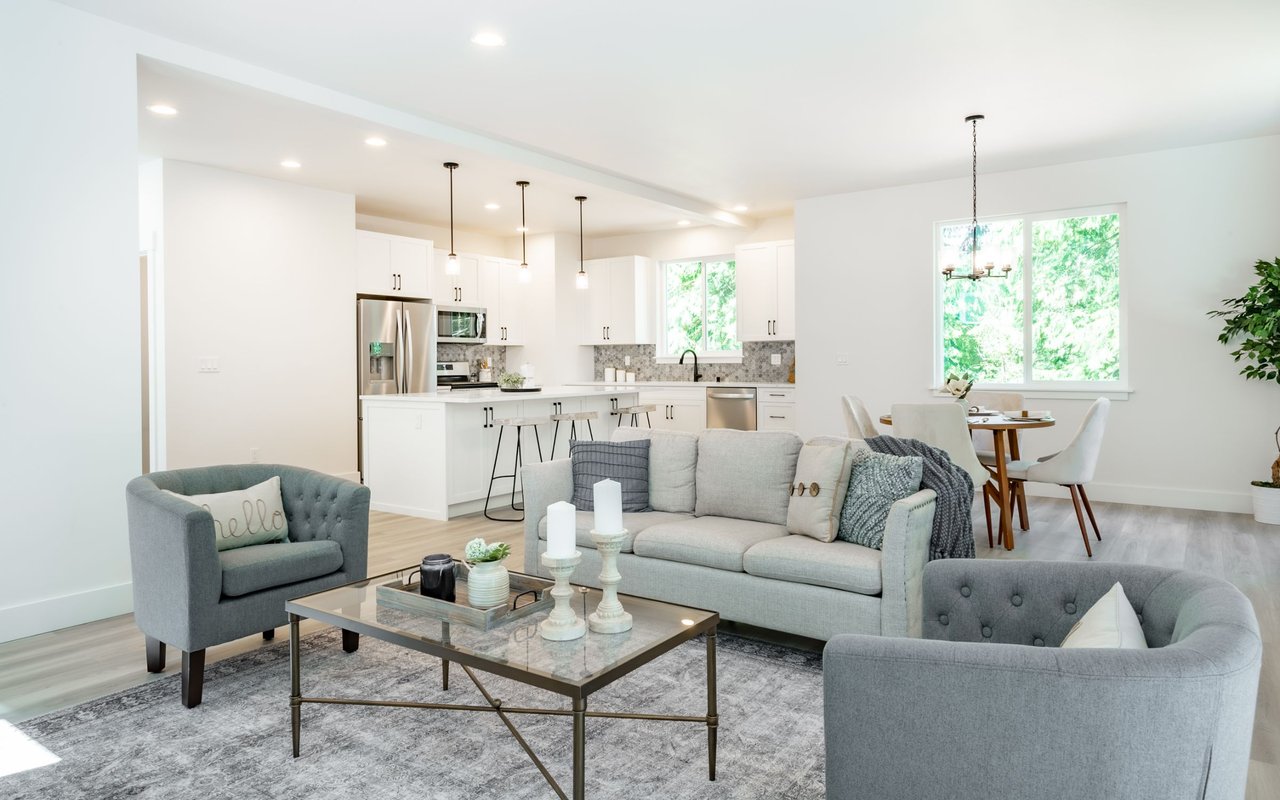
Newer homes cluster in purpose-built subdivisions on the edges of the city and in townhome and infill communities closer to the core. You will often find open-concept plans, larger kitchens, multiple full baths, and attached garages. Many communities include HOA-managed amenities and exterior upkeep, which can be a strong fit if you prefer a lower-maintenance lifestyle.
If you want downtown proximity but do not want historic-house maintenance, keep an eye on newer townhome or villa projects within a short drive of Canton Street. If you want a larger lot, a private driveway, and a more suburban rhythm, planned subdivisions at the city’s edges often deliver that.
Market snapshot: what your budget buys
As of January 2026, the median listing price in Roswell sits around $675,000, based on Realtor.com’s market overview. Prices vary across ZIP codes like 30075 and 30076, and within neighborhoods, so it pays to compare active comps before you write an offer. Historic homes near the core and well-located new builds can both command premiums, but for different reasons: one-of-a-kind character and walkability on one side, move-in-ready livability on the other.
Condition and maintenance
Historic homes in Roswell often come with older structural systems, period windows and doors, and a mix of updated and original mechanicals. Common inspection items include roofs, gutters and drainage near creek corridors, crawlspace and foundation conditions, HVAC age, electrical panels, plumbing materials, and a pest/termite history typical of the Southeast. A thorough home inspection is essential; review a buyer-friendly walkthrough like this inspection process guide to prep your checklist.
With new construction, you get modern materials, sealed building envelopes, and new mechanical systems under warranty. You will likely enjoy lower, more predictable maintenance in the early years. That said, many newer communities carry HOA fees that cover exterior care and shared amenities, so weigh those costs against your desire for a private yard and independent upkeep.
Budgeting tip: many guides suggest setting aside about 1 percent of the home’s value each year for maintenance as a starting point. For older properties or years with bigger projects, you could spend 2 to 3 percent or more. A quick reference for this planning rule is this maintenance budgeting overview.
Layout and daily living
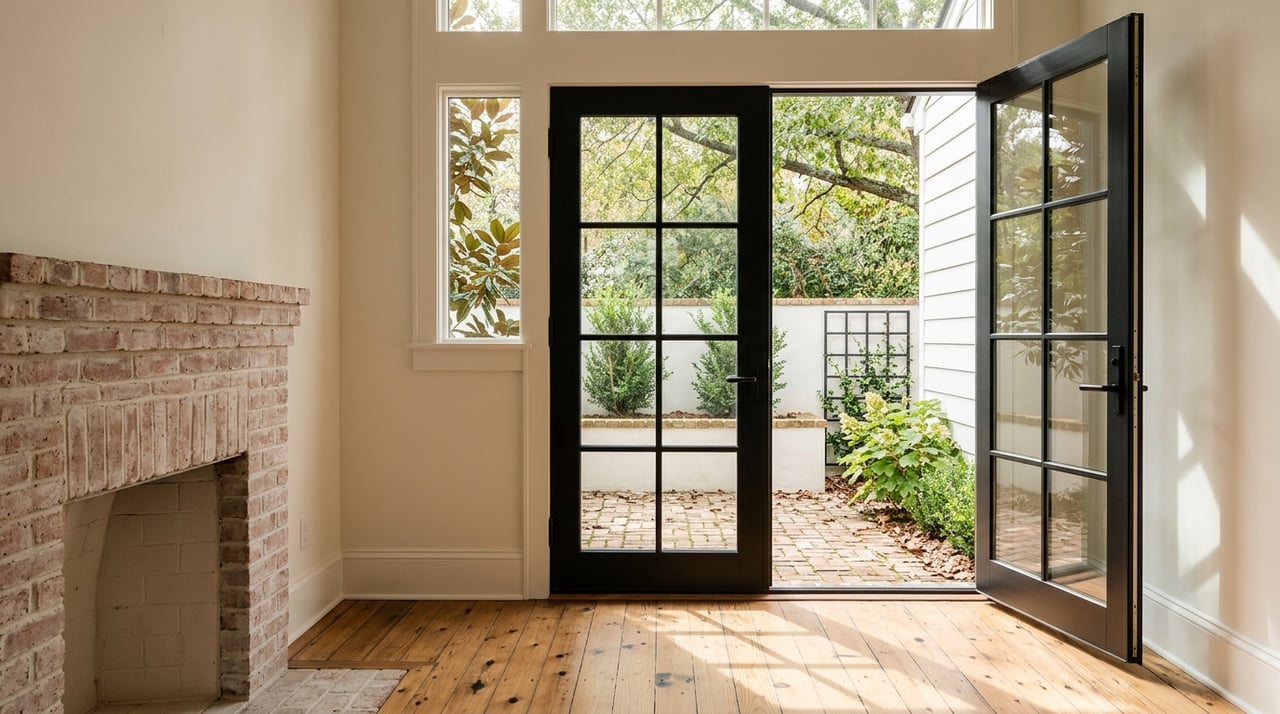
Historic homes tend to have well-defined rooms, narrower hallways, and cozier kitchens, especially in very old houses. You may also see smaller lots and intimate outdoor spaces shaded by mature trees. If you dream of opening a kitchen to the living room, plan for possible structural work and confirm exterior changes with the city if the property falls inside the Historic District.
New construction is designed around today’s routines. Expect open main living areas, large islands, generous closets, multiple full baths, and attached garages. Townhomes often compress this comfort into a smaller footprint while offloading exterior maintenance to the HOA.
Energy performance and systems
New homes built in and around Roswell must meet Georgia’s adopted building and energy codes, which reference the International Residential Code with state amendments. That baseline supports better insulation, tighter air sealing, and efficient HVAC compared to many older houses. For background on Georgia’s code adoption, see the state’s code compilation reference.
Older homes can make meaningful gains with targeted upgrades. Air sealing, attic and wall insulation, and right‑sized HVAC replacements can dramatically improve comfort and utility costs. The U.S. Department of Energy’s guidance on insulation and air sealing is a practical place to start as you weigh authentic windows versus storms or replacements.
Character, aesthetics, and resale
Historic Roswell’s character is a major draw. Greek Revival homes and antebellum landmarks like Bulloch Hall and Barrington Hall set a tone buyers love, and that sense of place often commands a premium from people who value it. The trade-off is that changes visible from the street may face design review.
New construction typically leans into current buyer preferences with modern finishes and flexible spaces. Interiors are easier to update over time, and exterior changes usually do not require historic design review, which gives you more freedom if your style evolves.
Rules, permits, and incentives
If a home sits inside Roswell’s Historic District, exterior changes usually require approval from the Historic Preservation Commission. Ask the seller for any prior Certificates of Appropriateness and review city records so you understand past work and current constraints. You can explore roles, meetings, and guidelines on the HPC page.
Some buyers look into state historic rehabilitation incentives. Georgia has programs that may offer tax credits or preferential assessment for certified rehabilitations when projects meet specific standards. Program rules and funding change, so start with a summary like this Georgia historic tax credit overview and then consult Georgia HPD and your tax advisor before you rely on incentives in your budget.
Renovating vs. buying new: financing paths
If your heart is set on a historic home but you want to roll improvements into your mortgage, renovation loans can help. Options include FHA 203(k) loans and conventional choices like Fannie Mae HomeStyle or HomeStyle Refresh, each with different caps and requirements. Lenders and appraisers will look at the as‑completed value, and you will need plans, contractor bids, and staged draws. A good primer is this overview of FHA 203(k) loans.
If you prefer new construction, builders may offer incentives through preferred lenders. Compare rates, closing costs, timelines, and required deposits across options so you understand both total cost and flexibility if construction dates shift.
A quick Roswell decision checklist
Use this to clarify what matters most before you tour homes:
- Walkability or yard space: How important is walking to Canton Street or Old Mill Park versus having a private yard and driveway? Map your typical week.
- Systems and upkeep: What are the ages and service histories for the roof, HVAC, electrical panel, and plumbing? Ask for dates, receipts, and permits.
- Historic review: If the home is in the Historic District, has it had prior HPC approvals? Check the city’s HPC records and guidance before planning visible changes.
- Windows and comfort: If windows are original, will storms or targeted air sealing improve comfort enough for you? Review DOE guidance on insulation and air sealing and compare benefits.
- Financing plan: If you plan to renovate, will you use a renovation mortgage like FHA 203(k) or HomeStyle? Start with a lender who knows these products. Read this 203(k) guide.
- Budgeting: Set aside at least about 1 percent of purchase price annually for maintenance, and confirm HOA fees and what they cover. Here is a useful maintenance budgeting overview.
Weekend lifestyle: two quick snapshots
- Historic core Saturday: Stroll to coffee on Canton Street, loop the Vickery Creek trails at Old Mill Park, browse local shops, and finish with an easy walk home. Your car can stay parked most of the day.
- New subdivision Saturday: Slow morning in an open kitchen, kids on bikes, maybe a workout in the bonus room, then an afternoon at the community pool. A quick grocery run and there is still time to host friends in a spacious great room.
Neither option is right or wrong. It is about the rhythm you want and how much time and money you plan to invest in maintenance versus amenities.
How we can help
Choosing between historic charm and new construction is easier with a local advisor who knows the trade-offs street by street. Our team pairs design-minded guidance with data, so you see what upgrades really cost, how HOA rules compare, and which blocks give you the walkability or space you want. If you are ready to tour both paths, we will curate a short list and lead you through inspections, financing options, and negotiations.
Let’s find a home that fits your life in Roswell. Reach out to the Hollingsworth Company to start your search.
FAQs
What does Roswell’s Historic Preservation Commission review?
- For homes within the Historic District, the HPC reviews exterior changes like additions, new construction within the district, demolitions, and significant site work. Check the city’s HPC guidance and ask sellers for prior Certificates of Appropriateness.
Are maintenance costs higher for historic Roswell homes?
- They can be. Plan for at least about 1 percent of home value per year as a baseline and more in years with big projects; older homes sometimes require 2 to 3 percent or higher. A maintenance budgeting overview can help you plan.
How energy efficient are new Roswell homes compared to older ones?
- New construction must meet Georgia’s adopted building and energy codes, which typically means better insulation, air sealing, and HVAC efficiency. Older homes can close the gap with targeted upgrades; see the DOE’s insulation and air sealing guidance.
Can I get tax incentives to renovate a historic home in Georgia?
- Georgia offers historic rehabilitation incentives in certain cases, but rules and funding change. Start with this state program summary and consult Georgia HPD and a tax advisor before you budget around credits.
What loan options let me finance renovations into my purchase?
- FHA 203(k) and conventional products like Fannie Mae HomeStyle allow you to roll eligible renovation costs into one mortgage, with different caps and requirements. For a primer, read this FHA 203(k) guide.
What is the current price point for Roswell homes?
- As of January 2026, the median listing price is about $675,000 across Roswell, with variations by ZIP and neighborhood. Check Roswell’s market overview and ask us for current comps before you offer.