You want acreage, a beautiful barn, and room to ride without giving up North Metro convenience. Milton makes that lifestyle possible, but the best outcomes start with clear due diligence. In this guide, you’ll learn how zoning works, what to inspect on estate and horse properties, how utilities like septic affect your plans, and where to plug into the local equestrian scene. Let’s dive in.
Why Milton suits horse owners
Milton organizes its rules in a single Unified Development Code. That code, together with the City’s zoning map, sets what you can build and how you can use the land. Start every evaluation by confirming the parcel’s zoning and pulling the relevant UDC sections from the City’s Community Development team. Review the City’s Unified Development Code before you assume a barn, arena, or boarding program is allowed.
Zoning and animal limits
Some parcels are in agricultural or rural residential districts that make equestrian uses more straightforward. Other homes in subdivisions may be limited by HOA or deed covenants even if city zoning allows livestock. The City’s public FAQ lists animal limits that apply on non‑agricultural parcels, so check both the City FAQ on animal rules and any recorded covenants. Always verify with City staff in writing as of March 16, 2026.
Water and septic reality
Many Milton properties connect to public water but rely on private septic systems. Do not assume an existing septic can support a barn apartment, wash racks, or added bedrooms. City planning records and plats often note that water may be available while wastewater remains on private septic, which makes capacity a key gating item. Review site‑level notes like those shown in this Milton planning document and confirm permits with Fulton County Environmental Health.
What to look for on‑site
Barn and stall essentials
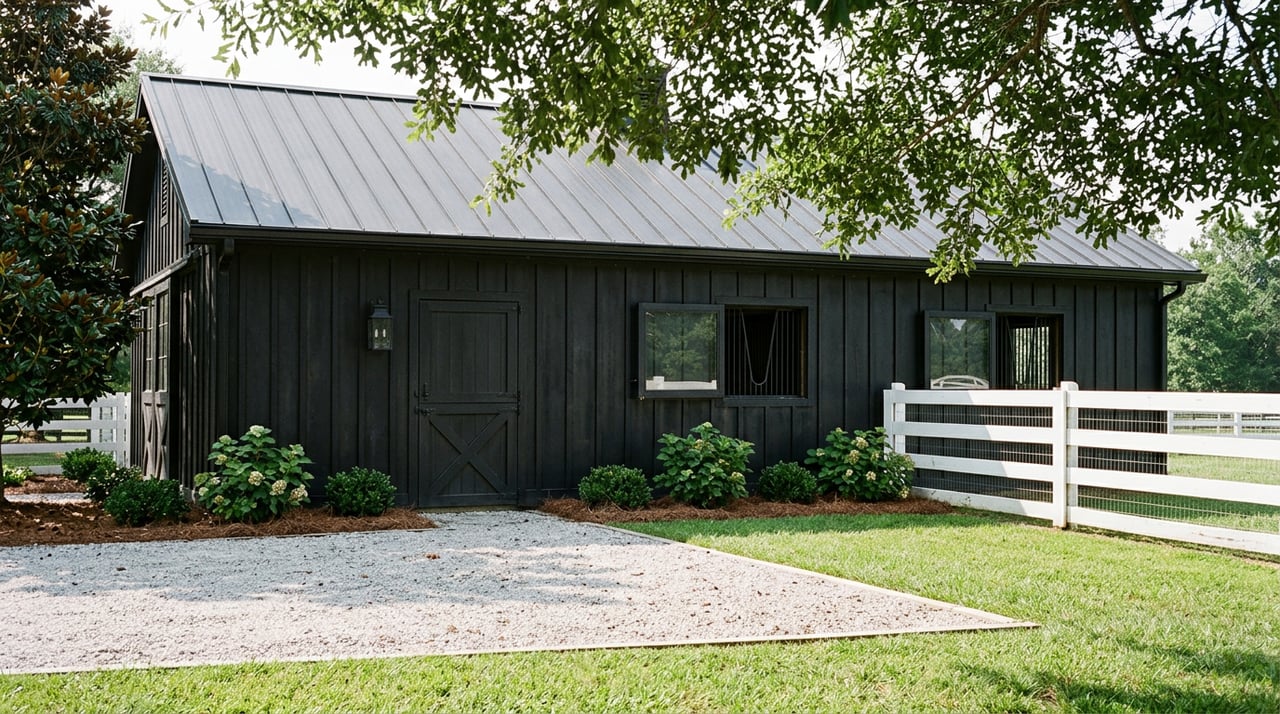
Well‑kept barns commonly include stall rows, a tack room, feed and hay storage, and a wash rack. On larger parcels you may find a trainer or manager apartment that raises water and septic questions. Inspect roofs, framing, slab drainage, electrical safety, and plumbing for waterers and wash racks.
Pasture and fencing
Expect cross‑fenced paddocks, sacrifice areas for wet weather, and run‑in shelters. Walk fence lines for damage, visible hardware, and safe spacing. Confirm gate widths, driveway turning radius, and trailer parking.
Arenas and footing
Outdoor arenas and schooling rings appear on some larger estates. Ask a trainer or footing specialist to assess base, drainage, and compaction. Your riding goals determine whether an existing ring is suitable or needs upgrades.
Manure management plan
Manure storage, removal, or composting needs to be sized and sited correctly. University guidance outlines typical stall waste volumes and best practices for storage, buffers, and handling. For planning, use the Penn State Extension manure management guide and build a weekly removal routine.
Access and trailer flow
Safe trailer movement matters. Confirm driveway access, turning space, and emergency vehicle clearance. A boundary survey helps verify easements, drive connections, and where you can widen or improve access.
Permits and approvals
City of Milton steps
Zoning, building permits, and development review are handled by Milton’s Community Development department. Confirm whether your barn, arena, or any event or boarding use needs a use permit or site plan approval. Begin with the Unified Development Code and speak with staff before you write an offer if your plans are time‑sensitive.
County well and septic
Fulton County Board of Health oversees onsite septic and individual well permits. Ask the seller for septic permits and pump‑out records, then call the County’s North Fulton office to verify capacity and what it would take to add plumbing or bedrooms. Start here: Fulton County Environmental Health well and septic.
Buffers and stormwater
Arena siting and paddock grading must respect stream buffers and stormwater rules. Milton’s development materials explain owner responsibilities for detention and drainage. If mapping suggests wetlands, consider a delineation and confirm requirements with the City.
Local equestrian resources
Wills Park overview
Just to the south, Wills Park Equestrian Center in Alpharetta offers show rings, events, and clinics used by many Milton riders. If you plan to compete or want a robust local show calendar, explore the Wills Park Equestrian Center.
Boarding and training
Private boarding and training barns operate in and around Milton and North Fulton. Services range from pasture board to full training programs. Use local directories like this Milton‑area boarding list as a starting point, then call to confirm availability and tour in person.
Community and trails
Milton regularly engages residents on parks, trails, and related amenities. To follow updates and meetings that may touch equestrian interests, check the City’s committees and meeting materials.
Due diligence checklist
Pre‑offer
- Confirm zoning and permitted uses with Milton Community Development. Ask for the exact UDC sections that apply to your parcel.
- Pull and read any recorded covenants or HOA rules for livestock or structures.
- Request septic permit files, any well logs, soil reports, and prior building permits for barns and arenas. Verify with Fulton County Environmental Health.
- Order a certified boundary survey to confirm lot lines, easements, and driveway access.
- Run a soil check for arena drainage and septic feasibility. Consult an engineer if soils are marginal.
On‑site inspections
- Hire an equine‑savvy barn inspector or agricultural builder for structure, electric, roof, and drainage.
- Engage a licensed septic professional to evaluate capacity and options for upgrades.
- Ask a trainer or footing specialist to assess any arena.
- Consult your veterinarian on handling spaces and quarantine options if you plan to bring new horses on site.
Operational planning
- Get local quotes for hay, feed, routine vet care, and farrier schedules.
- Budget for fence replacement, arena re‑grading, and footing maintenance.
- Create a written manure plan using extension guidance so hauling and composting costs are predictable.
Budget and ongoing care
Owning an equestrian estate is rewarding when you plan for real‑world costs. Expect seasonal hay deliveries, routine vet and farrier visits, fence repairs, and periodic arena work. A simple manure plan and service calendar help you stay ahead of maintenance and keep the property safe and functional.
Ready to buy in Milton?
If an estate or horse property is on your shortlist, we can help you confirm zoning, coordinate septic and barn experts, and compare properties by layout and long‑term costs. When you need a local, boutique guide backed by a national network, reach out to Hollingsworth Company. If you are also planning a sale, get your instant home valuation and we will map a smooth move.
FAQs
How does Milton’s UDC affect building a barn?
- The City’s Unified Development Code sets allowed uses, setbacks, and when a use permit or plan approval is needed. Verify your parcel’s zoning with Community Development before you buy and get guidance in writing.
What should I know about septic on horse properties?
- Many Milton estates use private septic, which may not support added bedrooms, barn apartments, or wash racks without review. Confirm permits and capacity with Fulton County Environmental Health early in your process.
Are horses allowed on any Milton lot?
- Not always. Agricultural districts are usually most flexible, but non‑AG parcels can have animal limits and HOAs may restrict livestock. Check the City FAQ and recorded covenants for your specific address.
What barn features matter most for safety?
- Focus on stall size and hardware, ventilation, electrical safety, wash rack drainage, and hay storage. Have an equine‑savvy inspector evaluate structure, wiring, and water systems.
Where can I show or clinic near Milton?
- Many local riders use Wills Park Equestrian Center in nearby Alpharetta for shows and clinics. It is a convenient hub for events and community connections.