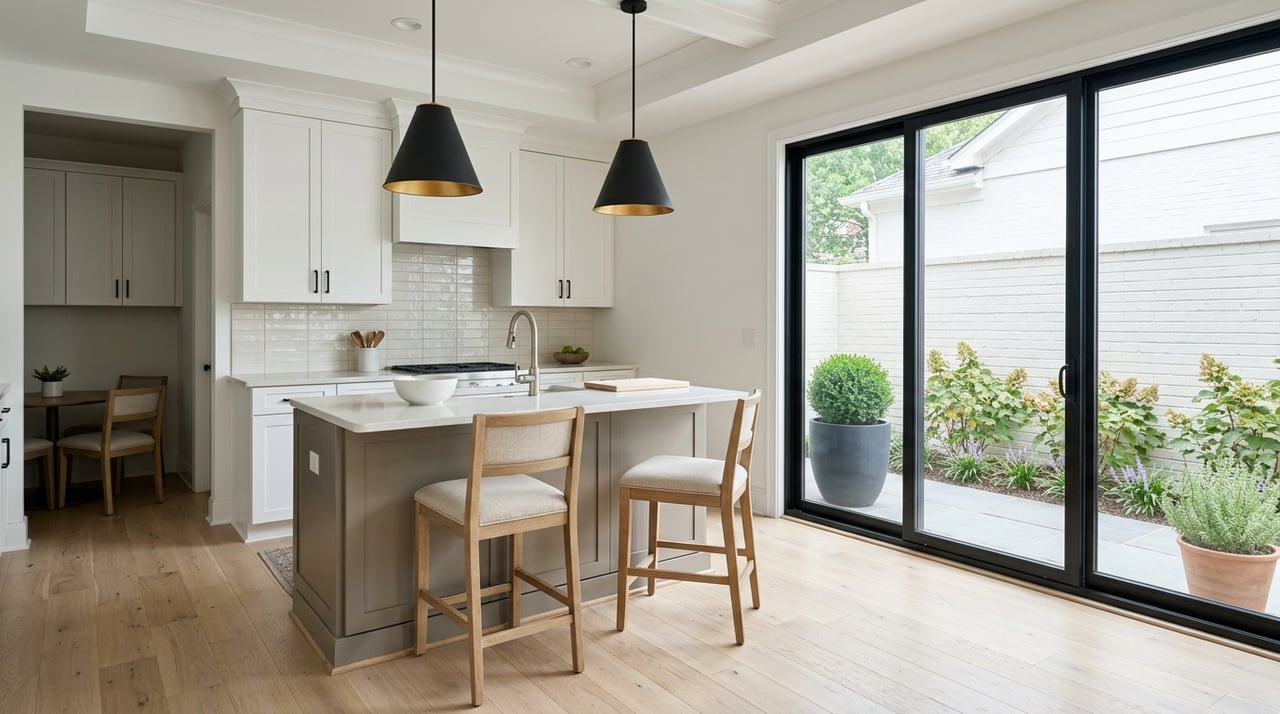
If your house feels bigger than your life now, you are not alone. Many Marietta homeowners reach a point where the extra bedrooms, large yard, and constant upkeep no longer fit how they want to live. Downsizing can help you simplify, lower maintenance, and stay connected to the places and people you love. Let’s dive in.
Why Downsizing Makes Sense in Marietta
Downsizing is often about lifestyle, not just money. The National Association of Realtors found that buyers ages 60 to 69 often want a smaller home, want to be closer to family or friends, or are making a retirement-related move. Among older sellers, moving closer to loved ones and leaving a home that feels too large are also common reasons to make a change.
That pattern fits what many homeowners experience in Marietta. With a smaller average household size of 2.4 people and 24,707 households in the city, there is a real audience for homes that are easier to manage. According to the U.S. Census QuickFacts for Marietta, the city also has a 47.2% owner-occupied housing rate and a median owner-occupied home value of $448,500.
The local market is also moving, which matters when you are trying to sell one home and buy another. Redfin’s Marietta housing market data shows a median sale price of $480,000, with homes selling in about 62 days in early 2026. While every home and timeline is different, that activity suggests downsizers still have opportunities to make a well-planned move.
Start With a Clear Downsizing Plan
Before you browse condos or picture a lighter lifestyle near the Square, start with the numbers. Fannie Mae’s home-selling process guide recommends estimating affordability and equity first, then reviewing market conditions, choosing a listing strategy, preparing the home, and moving through offers, contract, and closing.
For you, that means answering a few practical questions early:
- How much equity do you likely have in your current home?
- What will your next home cost, including closing costs and moving costs?
- If you choose a condo or townhome, what will monthly HOA dues add to your budget?
- How much repair or prep work should you complete before listing?
This step can keep the process from feeling rushed. It also helps you compare the emotional appeal of a lock-and-leave home with the full cost of making the move.
Prepare the Family Home to Sell Well
A long-owned home often needs a different kind of preparation than a quick resale. Fannie Mae recommends a thorough inspection of the home inside and out, making needed repairs, handling cosmetic updates, and presenting the home with simple, neutral styling. It also notes that homes can become harder to sell the longer they sit on the market, which makes pricing and early preparation especially important.
That is where thoughtful presentation matters. Clearing clutter, removing some personal items, and arranging furniture so rooms feel open can help buyers picture the space more easily. AARP also suggests starting earlier than you think, mentally inventorying underused rooms, and even trying a short “dress rehearsal” by closing off spaces you rarely use.
If you have lived in your home for many years, this part can feel emotional. Give yourself time to sort what you use, what you want to keep, and what no longer fits your next chapter. A calm, phased plan usually works better than trying to do everything in one weekend.
Time the Sale and Purchase Carefully
One of the biggest downsizing challenges is sequencing. You may want to avoid carrying two homes at once, but you also may not want to sell before you know where you are going next. That is why timing matters as much as price.
In Marietta and Cobb County, current market snapshots point to an active environment rather than a frozen one. Redfin reports Marietta homes selling in about 62 days and Cobb County in about 70 days, while listing-side data from Realtor.com also points to ongoing movement in both markets. These datasets use different methods, so the figures are not directly comparable, but together they support the idea that sellers still need a strategy, not guesswork.
A strong plan usually includes:
- An estimate of likely net proceeds from your current home
- A realistic timeline for prep, listing, contract, and closing
- A short list of next-home options before your current home hits the market
- A decision on what matters most, such as fewer stairs, less upkeep, or proximity to daily activities
Compare Your Lock-And-Leave Options
Not every smaller home lives the same way. In Marietta, many downsizers look at three broad options: condos, townhomes, and smaller single-family homes. Each can work well, but each asks something different from your budget and lifestyle.
Condos for Low Maintenance
A condo is often the clearest lock-and-leave option. Fannie Mae explains that condos are individually owned units within a larger community, and the required monthly condo fee generally covers exterior and common-area repairs. In many cases, that fee may also include water, sewer, trash, and recreational amenities.
The tradeoff is that you need to review the details closely. Fannie Mae recommends asking about special assessments, cash reserves, parking, insurance coverage, and whether the project is warrantable. A condo can reduce day-to-day maintenance, but the monthly fee structure and building finances still need to fit your plans.
Townhomes for Balance
Townhomes often land in the middle. They can offer a more house-like feel while still reducing some maintenance responsibilities. Fannie Mae notes that townhomes may share common walls or even be detached, while Freddie Mac explains that HOAs create rules, collect fees, and fund upkeep of common areas.
For you, that means a townhome may provide a nice balance between convenience and space. Still, HOA fees, community rules, and future increases deserve careful review before you commit.
Smaller Single-Family Homes for Independence
A smaller single-family home may be the right fit if you want privacy, a yard, or a detached-home feel without the size of your current house. This option can also work well if you want fewer stairs or simpler living but are not excited about shared walls or building-wide rules.
The tradeoff is usually more owner responsibility. Compared with condos or HOA-managed townhomes, more of the exterior and yard upkeep often stays with you. If the home is in an HOA, you will still want to review dues, parking, pet rules, and any restrictions on exterior changes.
What to Review Before You Buy Smaller
The best downsizing choice is not always the one with the lowest square footage. It is the one that fits how you actually want to live. As you compare communities and property types, focus on the details that shape your daily routine.
Use this checklist as you narrow your options:
- Monthly HOA dues versus what they may save you in exterior maintenance and landscaping
- Reserve fund strength and any risk of special assessments
- Parking, guest parking, elevator access, and storage needs
- Pet rules and restrictions on exterior changes
- Whether the community truly feels easy to leave for a weekend or longer trip
These questions matter because “lock-and-leave” should mean less stress, not just less square footage.
Don’t Overlook Tax Timing
Tax planning is an important part of downsizing in Cobb County. According to Cobb County property materials, homestead applications are due by April 1, apply to a primary residence, and terminate when the property is sold or no longer qualifies. If your current home has a homestead exemption, that timing may affect your move.
At the federal level, IRS Topic 701 says the sale of a main home may qualify for a capital gain exclusion of up to $250,000 for single filers or $500,000 for joint filers if ownership and use tests are met. IRS guidance also notes that a condominium can qualify as a main home, which is helpful for many downsizers considering that path.
Because tax situations vary, it is smart to bring these questions up early as you build your timeline.
Why Marietta Works for Lock-And-Leave Living
One reason downsizing feels realistic in Marietta is that you do not have to trade connection for convenience. The city offers plenty to do close to home, which can make a smaller-footprint lifestyle feel full rather than limiting.
The Marietta Square remains the city’s central gathering place, with festivals, concerts, markets, shopping, restaurants, museums, theatres, and parking options. If you want fewer home chores but still want local activity and an easy sense of connection, that kind of setting is a real advantage.
Marietta also supports a more mobile lifestyle beyond your front door. The city’s multi-use trail network is designed to connect neighborhoods to downtown, universities, employment centers, and the Silver Comet Trail. Nearby parks, recreation options, Kennesaw Mountain National Battlefield Park, and CobbLinc transit services all add flexibility for residents who want to stay active while simplifying home maintenance.
How the Right Guidance Helps
Downsizing has more moving parts than a typical sale. You are not just selling a property. You are deciding what to keep, what to change, how to time two transactions, and what kind of home will support your next stage of life.
That is where a thoughtful, local approach matters. From pricing and preparing your family home to comparing condos, townhomes, and smaller single-family options, the process works best when each step supports the next one. With boutique guidance, staging insight, and local market knowledge, Hollingsworth Company can help you create a downsizing plan that feels clear, well-paced, and tailored to how you want to live.
FAQs
What should I do first when downsizing in Marietta?
- Start by estimating your home equity and likely net proceeds, then compare that number with the cost of your next home, moving expenses, closing costs, and any HOA dues.
Is a condo always the best lock-and-leave option in Marietta?
- No. A condo often reduces maintenance, but monthly fees, reserve funds, rules, parking, and possible special assessments can change the overall fit.
How does homestead exemption affect a downsizing move in Cobb County?
- Cobb County says homestead exemptions apply to a primary residence, are due by April 1, and end when the property is sold or no longer qualifies.
What home types should downsizers compare in Marietta?
- Most downsizers compare condos, townhomes, and smaller single-family homes based on upkeep, monthly costs, privacy, and lifestyle fit.
What local features support lock-and-leave living in Marietta?
- Marietta Square, the city trail network, nearby parks, and CobbLinc services can help you stay connected and active while reducing home maintenance.