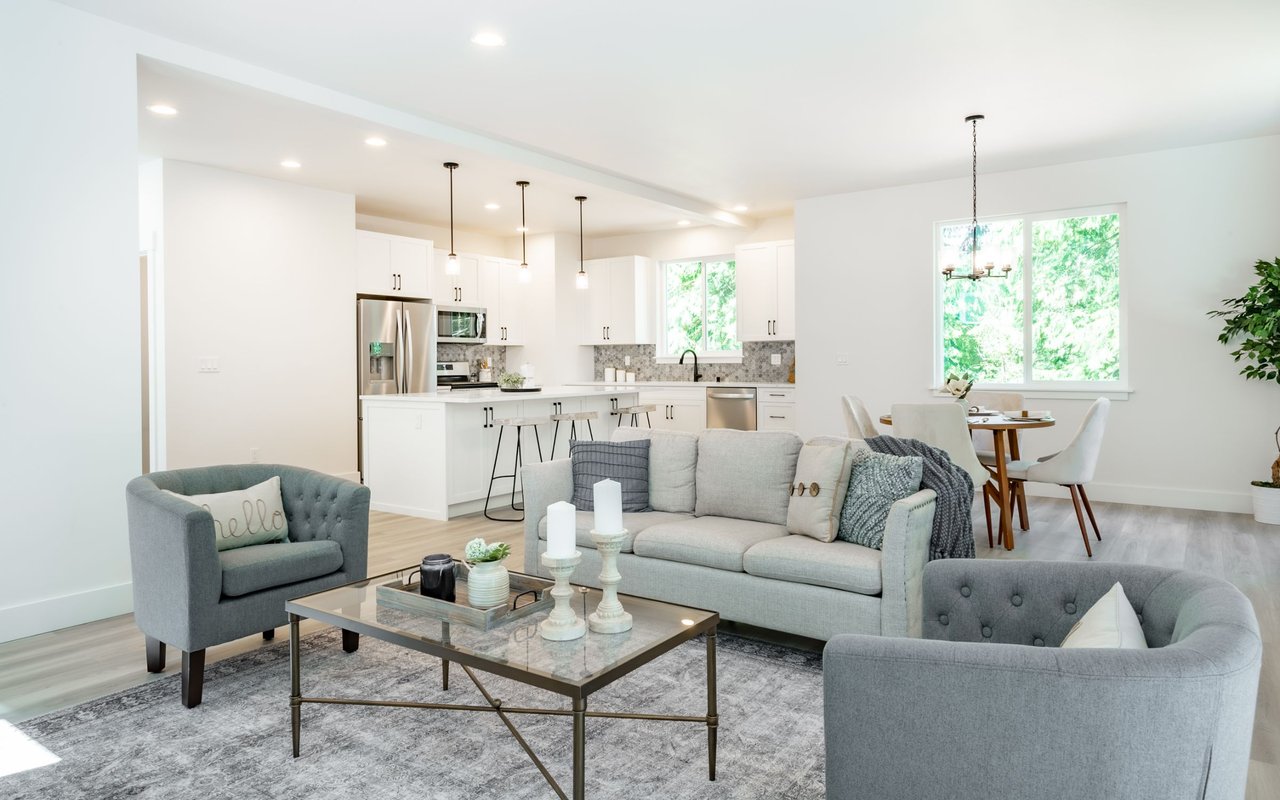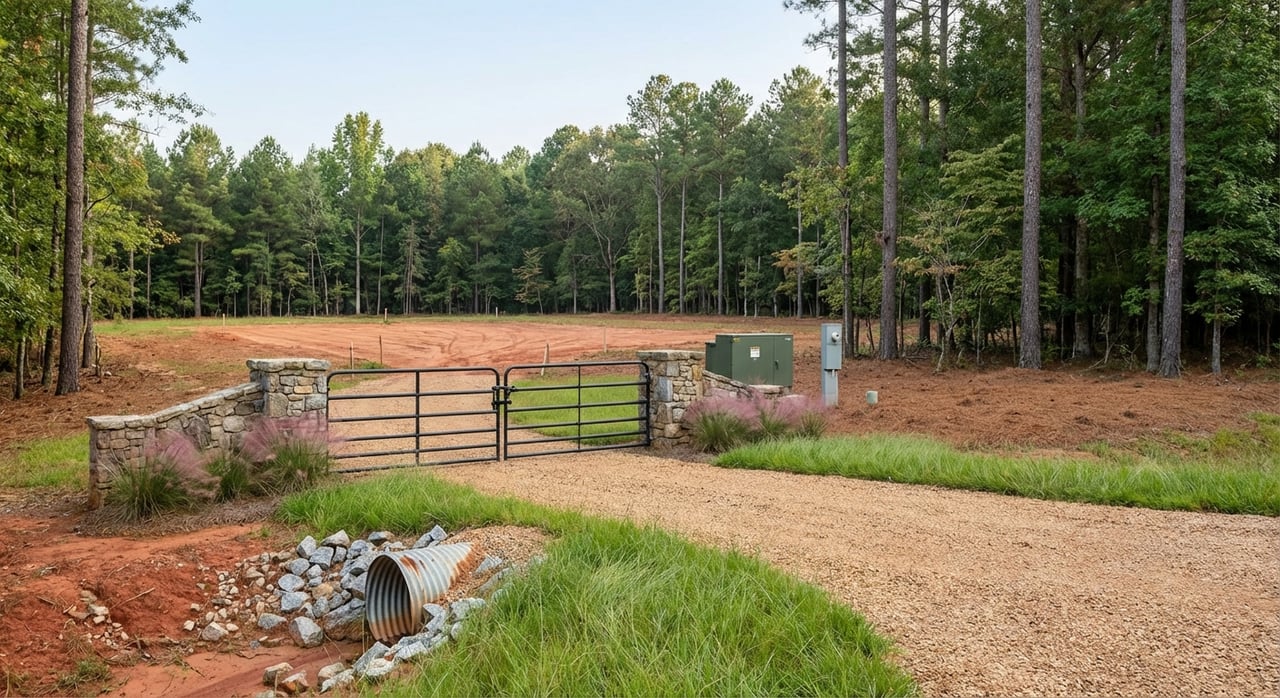
Torn between Canton and Ball Ground for your land purchase? You are not alone. The two sit just minutes apart in Cherokee County, yet they often deliver very different timelines, utility options, and budgets. In this guide, you will learn how utilities, zoning, access, and site features shape what you can build and how fast you can start. You will also get a simple checklist to make a confident choice. Let’s dive in.
Canton vs. Ball Ground at a glance
Canton is the larger, more built-up city with an active Unified Development Code and a dedicated Community Development office. That structure usually means clearer permitting steps and more parcels with city water and sewer, which can shorten a custom home timeline. You can confirm process and code details with Canton Community Development.
Ball Ground is a smaller historic city to the north. Many nearby parcels are larger-acre tracts in or around the city limits, often in unincorporated Cherokee County. These can be great for small farms or recreational use, but you will often rely on well and septic. Always confirm whether a parcel is inside the city or in the county. Start with City of Ball Ground.
Both markets benefit from the I-575 corridor. Canton sits close to the interstate, which drives development pressure for smaller residential lots. Parcels farther north toward Ball Ground stay more rural in feel, which affects density and utility expectations. See the corridor context on Interstate 575.
Utilities and services
Water and sewer availability
Canton operates its own municipal water source at Hickory Log Creek Reservoir, known locally as Lake Canton. Many parcels can tap city water, and some areas have municipal sewer, which removes the need for septic and related soils testing. Confirm service area, tap availability, and capacity with the city’s utilities team via Canton’s reservoir and utilities page.
In Ball Ground and most unincorporated areas, the Cherokee County Water & Sewerage Authority (CCWSA) is the main provider. CCWSA’s system does not reach every rural parcel. If there is no nearby sewer main, plan on a septic system or a costly extension. You can review coverage and developer resources through CCWSA.
Septic and well considerations
If a parcel lacks sewer, you will need a soils evaluation to confirm septic suitability. Lot size, setbacks from water bodies, and soil type all matter. For county parcels, environmental health and septic permitting run through the Cherokee County Development Service Center. Build this into your due diligence timeline before you go under contract if possible.
Power and communications
Electric service in Cherokee County is provided by a mix of investor-owned utilities and electric membership cooperatives. Coverage is location specific and determined historically. Before you finalize a parcel, verify the assigned electric provider and the nearest distribution line. A useful starting point is the county’s utility contacts and regional EMC references, including the Georgia EMC service map. For broadband, confirm address-level service and speeds directly with providers, since availability varies even on the same road.
Zoning and permitting
Who regulates your parcel
Inside Canton city limits, the city’s Unified Development Code and municipal ordinances apply. The Community Development office is your starting point for zoning, setbacks, and permits. For parcels in Ball Ground city limits, the city’s ordinances govern. For unincorporated parcels between and around both cities, Cherokee County’s zoning ordinance and permitting apply. You can review the county’s districts and standards in the Cherokee County Zoning Ordinance and permit channels through the Development Service Center.
Rezoning, variances, and annexation
If your plan requires rezoning or a special use, expect a multi-step public process with staff review, planning commission, and a vote by elected officials. In some cases, annexation into a city may be considered to access municipal utilities or different entitlements, but that changes your taxes and rules. Timelines of 2 to 6 months or more are common. The county outlines process basics in its rezoning and special use FAQ.
Access, topography, and site constraints
Road access and driveways
Confirm how the property is accessed. Is it a public city or county road, a state route, or a private easement? Legal and practical access is required for most building permits, and driveway permits may be needed. Start with the applicable city or the Cherokee County Development Service Center for standards and driveway guidance.
Floodplains, slopes, and streams
Northern Cherokee County includes foothill terrain, creeks, and FEMA-mapped floodplains. These features reduce buildable area and can add buffers, grading limits, and stormwater requirements. Your surveyor and the county’s GIS layers can help you map constraints before you finalize a plan.
Easements, timber, and recorded restrictions
Recreational tracts often carry timber value or historic hunting uses. Title research should check for recorded easements, timber contracts, conservation easements, or hunting leases. These sit outside zoning but can limit how you subdivide or use the land later. Order a full title search and review the plat before you commit.
Which location fits your goal
Build-ready custom home
If you want the fastest path to a home with city services, focus on Canton parcels with confirmed water and sewer. City standards can add design or frontage requirements, but they also provide a clear permitting roadmap. Verify tap capacity and any lateral or frontage work with Canton Community Development and the city’s utilities office.
Small farm or hobby agriculture
If your goal is pasture, hobby livestock, or limited crops, parcels north of Canton toward Ball Ground often offer larger acreage and lower density. Expect well and septic in many cases. Confirm allowed uses by zoning district and any animal-related ordinances. The county’s districts and use tables are in the Cherokee County Zoning Ordinance.
Recreational or timber tract
If you want privacy, hunting, or timber potential, look for larger tracts near Ball Ground or in the unincorporated county. Focus your due diligence on legal access, timber age/species, stream buffers, and any recorded restrictions. A recent boundary survey and a basic timber cruise can help you value the asset and plan trails or future improvements.
Five-step decision checklist
Use this quick filter before you write an offer:
- Confirm jurisdiction. Is it in Canton, Ball Ground, or unincorporated Cherokee County? Jurisdiction sets your code, taxes, and permit office. Start with Canton Community Development or the city and county contacts listed here.
- Verify water and sewer. Ask the city utilities team or CCWSA to confirm service, tap availability, and any required extensions. Get it in writing if possible.
- Order septic soils if no sewer. For county parcels, engage a soils pro and coordinate with the Cherokee County Development Service Center.
- Check access and driveway permits. Confirm whether the road is public or private and the permit you will need from the city or county DSC.
- Map constraints. Review floodplains, streams, and steep slopes. A surveyor and the county GIS can flag buffers and limit lines early.
Timelines, fees, and budget planning
Tap fees for water and sewer can be significant and may be due before a building permit is issued. If sewer is not available, budget for a septic system sized to your home and site, plus well drilling if water is not at the road. Clearing, erosion control, and potential road frontage improvements can also add cost. Ask the city utilities office or CCWSA for itemized estimates, and use the Development Service Center for permit checklists.
If you need rezoning, add several months for public hearings and conditions of approval. If annexation is part of your plan, factor in additional review time and a change in your millage since city and county tax rates differ.
Commute and market pressures
Canton’s proximity to I-575 concentrates demand and supports smaller-parcel development. Ball Ground is roughly 11 to 12 miles north, which keeps many tracts more rural and lower density. That short distance means you can compare both on the same day, but the utility and zoning differences often produce different build timelines and budgets. Check the mileage on Canton to Ball Ground distance and review the broader corridor via Interstate 575.
How we help you choose with confidence
Buying land is about fit and feasibility. You deserve an advisor who knows where city sewer actually runs, how county zoning treats farm uses, and what a soils report means for your timeline. Our team works daily across Canton, Ball Ground, and greater Cherokee County, and we bring a practical, step-by-step approach to due diligence, pricing, and negotiation. If you are weighing build-ready convenience versus acreage and privacy, we will help you clarify the goal, pressure-test the parcel, and move forward with confidence.
Ready to compare specific tracts or walk a property with a plan? Reach out to the Hollingsworth Company for local guidance tailored to your goals.
FAQs
What are the biggest utility differences between Canton and Ball Ground for land buyers?
- Canton more often offers city water and, in some areas, city sewer, while Ball Ground and nearby unincorporated parcels frequently rely on CCWSA water and private septic, which can add time and cost.
How do I know who regulates my land in Cherokee County?
- Check whether the parcel lies in Canton, Ball Ground, or unincorporated Cherokee County, since that determines whether city codes or the county zoning ordinance apply and which office issues your permits.
What permits do I need to build a home on a rural parcel?
- You will typically need a building permit, land-disturbance authorization, and septic approval if no sewer is available, coordinated through the appropriate city or the county’s Development Service Center.
How long does rezoning usually take in Cherokee County?
- Most rezoning or special-use requests take 2 to 6 months or more due to staff review, public hearings, and final votes, so plan your acquisition and design timeline accordingly.
Why does road access matter so much when buying land?
- Legal, practical road access and a permitted driveway are required for most building permits, and the standards vary if the road is public, private, or a state route, which affects both feasibility and cost.